
 Adventure Tours
Most first-time visitors know the Maasai Mara National Reserve. Repeat visitors who want quieter sightings, walking, and night drives look to surrounding conservancies. This post explains the maasai mara conservancies benefits in practical terms. It compares named areas such as Mara North, Olare Motorogi, and Naboisho with the national reserve. I have slept in mobile tented camps here. I will tell you what the canvas, camp routines, and early mornings actually feel like.
What Maasai Mara Conservancies Are
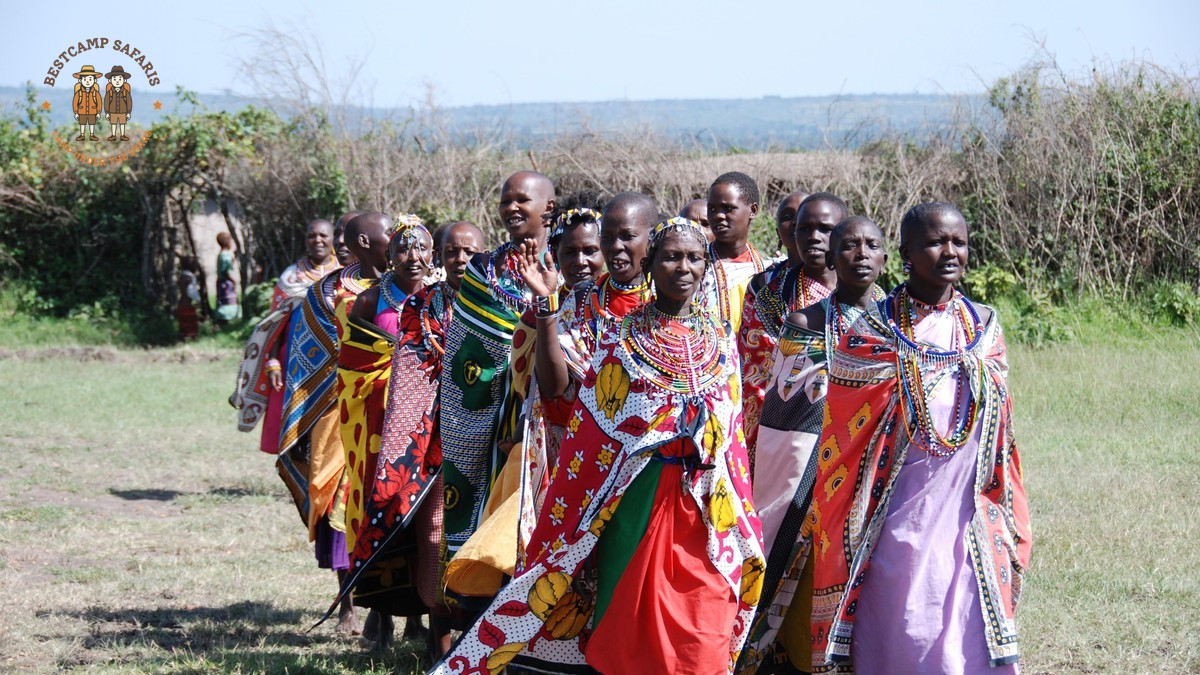
Maasai Mara conservancies are parcels of Maasai-owned land bordering the national reserve. Landowners lease their parcels to conservancy management. Camps inside pay lease fees and bed night fees. Conservation and Maasai livelihood are part of the same system. The national reserve is run by Narok County as a public park. Conservancies are not public land. Entry is controlled by the conservancy and your camp.
Conservancies Versus the National Reserve
Get specific. The national reserve gives you high wildlife density and direct access to river crossing points. Conservancies give you low visitor numbers and activities that the reserve does not allow. The table below compares the reserve with three named conservancies that BestCamp Safaris books regularly.
| Feature | Maasai Mara National Reserve | Mara North Conservancy | Olare Motorogi Conservancy | Naboisho Conservancy |
|---|---|---|---|---|
| Nonresident daily fee | USD 100 Jan to Jun, USD 200 Jul to Dec, Narok County | USD 80 to 150 per person per night, bundled with camp | USD 80 to 150, bundled | USD 80 to 150, bundled |
| Night drives | Not permitted | Yes | Yes | Yes |
| Off-road game viewing | Not permitted, stay on tracks | Yes, guided | Yes, guided | Yes, guided |
| Walking safaris | Not permitted | Yes, with armed guide | Yes | Yes |
| Big cat sighting vehicle count | Often 10 to 30 vehicles | Usually under 5 | Usually 2 to 4 | Usually 1 to 2 |
| Mara River crossing access | Direct, from reserve side | 45 to 70 km one way from typical camps | 70 to 90 km | 60 to 80 km |
Distances in the last row are indicative drive distances from typical camps to main Mara River crossing points near Lookout Hill and Purungat. Use them as planning ranges, not precise turn-by-turn facts.
Fewer Vehicles and a More Private Safari
Your camp in Mara North or Olare Motorogi does not share sightings with minibuses from outside. The conservancy limits bed numbers across its camps. At a lion sighting you may be the only vehicle or one of two. That changes the whole rhythm. Guides can sit longer without blocking others. You hear hyenas and lions without a diesel engine in front of your ear. The grass crunches underfoot at 5am. It feels closer.
A bush breakfast in a conservancy is quieter too. The camp staff packs eggs, bacon, and coffee in a metal box. You eat on canvas chairs while wildebeest graze in the distance. That is hard to arrange inside the reserve, where breakfast usually happens at the lodge.
Maasai Mara Conservancies Benefits: Off-Road Driving, Night Drives, and Walking Safaris
These are the core maasai mara conservancies benefits. The national reserve keeps vehicles on tracks. Conservancy rules allow your guide to leave the track for a specific wildlife sighting, always with care. Off-road access matters in the rainy season when ruts force detours. Night drives in Mara North, Olare Motorogi, and Naboisho begin after dinner. A red filter spotlight picks out bushbabies, aardvark, genet, and owls. Walking safaris happen on open plains away from thick cover. A Maasai guide and armed ranger lead. You hear zebra hoofbeats before you see them. Ask the camp manager about how many game drives to plan per day so you do not overload children or older guests.
Walking safaris are not just an add-on. A two-hour walk changes how you read tracks. You see aardvark diggings and smell crushed grass from a fresh lion kill. Your guide stops at a termite mound and points out spoor. Ask your camp to schedule walking before breakfast, when the ground is cool.
Wildlife Conservation and Maasai Landowner Income
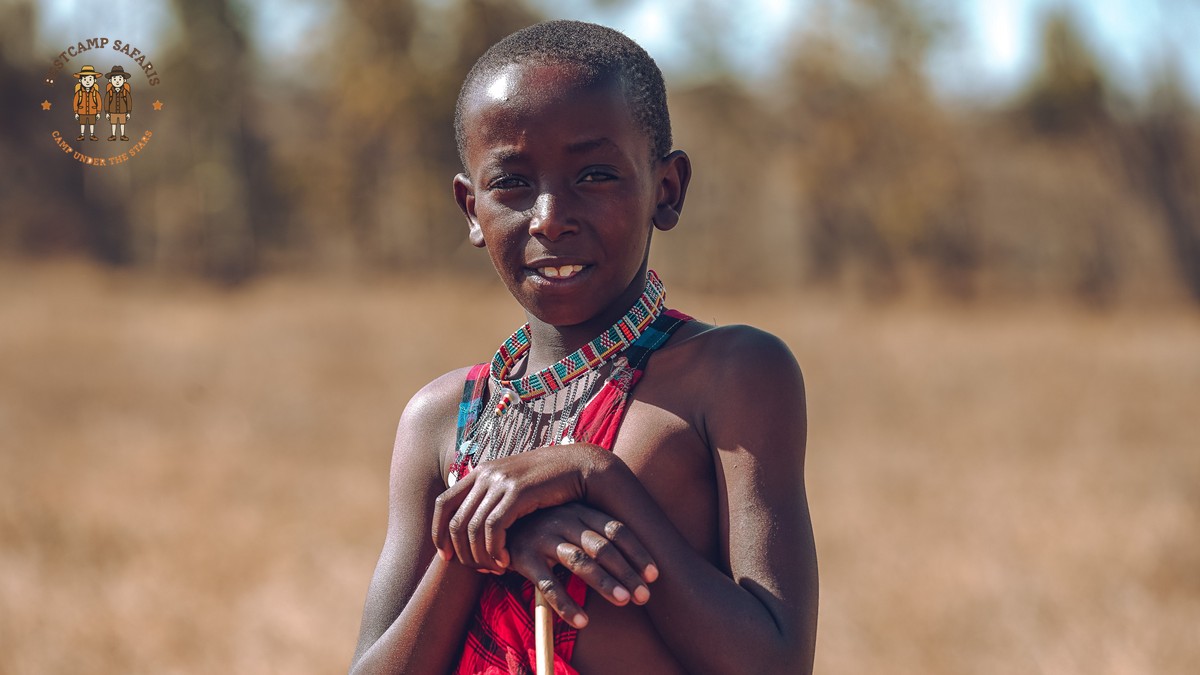
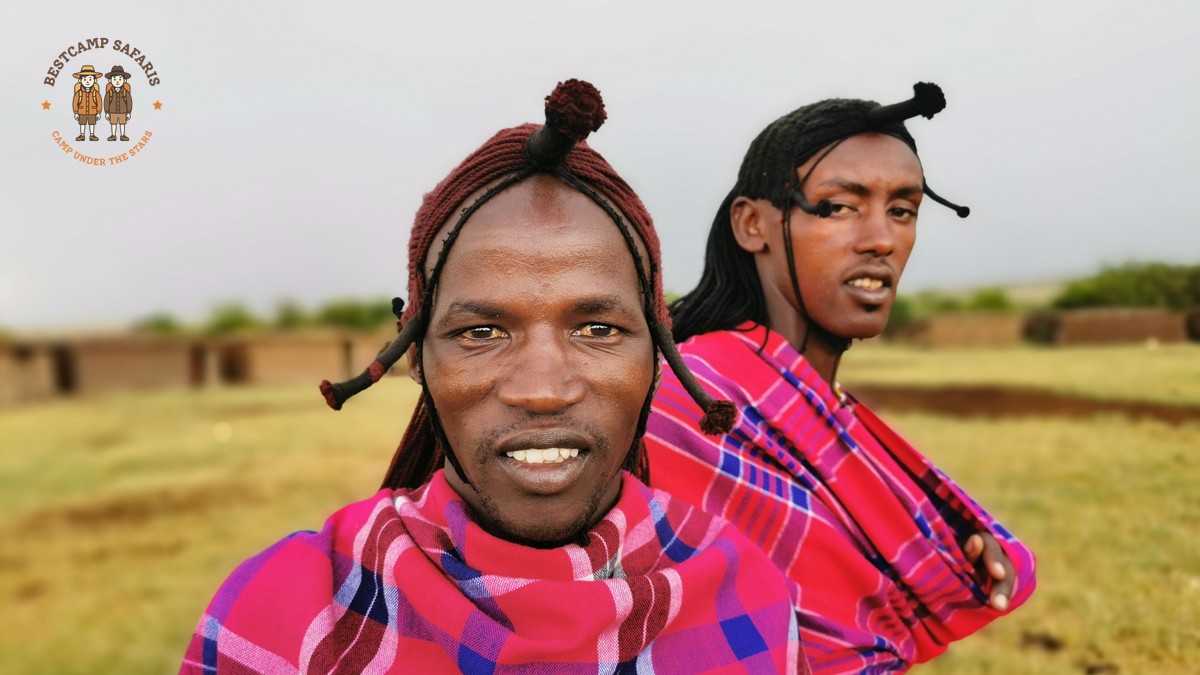
Conservancy fees go to Maasai landowners. Payments vary by conservancy and land parcel. Mara North and Olare Motorogi both pay lease fees to the Maasai families who own the land. The model works because a live lion on leased land becomes income. That differs from a public park where tourism money goes to county and central government. In conservancies, camp employment also flows to nearby communities. Many guides, trackers, and camp staff are Maasai from the same area. The money link is direct enough that you can see it in village projects near the airstrips.
How Conservancy Fees and Camp Location Change the Price
Conservancy stays usually cost more than the reserve. The nonresident reserve fee is USD 100 per adult per day from January through June. It rises to USD 200 per day from July through December. A Mara North or Olare Motorogi camp adds conservancy and camp fees of roughly USD 80 to USD 150 per person per night, bundled into your rate. Some camps include safari vehicles and night drives. Others charge separately for certain activities. A four-night conservancy stay often starts around USD 2,000 to USD 3,500 per person, depending on season and camp. Compare that with a reserve lodge plus daily park entry. The reserve fee alone is significant before you pay for the room.
Mara North and Olare Motorogi camp rates often include game drives, night drives, and walking. Naboisho camp rates follow a similar model. Ask for a clear list of included activities before you book.
Which Conservancy Should You Pick?
Mara North Conservancy sits north of the reserve, close to the Oloololo Escarpment. It feels dense with acacia and grass plains. Kicheche Mara Camp and Porini Lion Camp are two common choices there. Olare Motorogi Conservancy sits east of the reserve. It has strong big cat viewing and easy reserve access through Olare Orok. Naboisho Conservancy sits northeast and often has fewer vehicles than both. Naboisho Camp is a common base there. For first-time conservancy visitors, Olare Motorogi balances access with low traffic. Families may prefer a camp with fenced or raised tents. Read whether a Kenya safari is safe for families before choosing a bush camp with open canvas.
Limitations, Rules, and Possible Disadvantages
Conservancies are not perfect. They cost more per night. You cannot use reserve tickets to enter a conservancy. Conservancy guests still pay the reserve fee if they take a game drive into the national reserve. The Mara River crossings happen inside the reserve at places near Lookout Hill and Purungat. From Mara North, that can mean a 45 to 70 km drive each way. From Naboisho, it is often 60 to 80 km. A day trip for crossing action is possible but long. Camp managers usually arrange it as a full day with a picnic lunch. If you want simple, direct migration viewing, stay inside the reserve for those nights. If you want night drives and quiet sightings, stay in the conservancy. Many guests split the trip.
Combining a Conservancy Stay with the National Reserve
Best results often come from two or three nights in Olare Motorogi or Mara North and two nights in the reserve near the Mara River. This gives you off-road game viewing and night drives before you spend a full day at crossing points. If you drive from Nairobi, check the Nairobi to Maasai Mara drive time and route. The road route from Nairobi to the Mara is roughly 250 km and takes 5 to 6 hours, depending on gate and road condition. You can also fly from Wilson Airport to Mara North, Ol Kiombo, or Naboisho airstrips in about 45 minutes. Flying reduces road fatigue and gives you more energy for early starts.
When to Visit and How the Experience Changes During Migration
Migration season in the Mara generally runs July through October. The big river crossing action is inside the reserve. Conservancy camps around that time still have resident wildlife, big cats, and less crowd noise at sightings. But camp rates rise, and the daily reserve fee rises to USD 200 from July through December. If you mainly want crossing drama, plan reserve nights. If you want private game viewing around the edges, a conservancy stay in January through June can be excellent and less expensive. June brings the first wildebeest into the reserve. The conservancies still have resident lion prides. You may see long lines of wildebeest crossing the sand river near the conservancy boundary. Ask your camp about water levels before booking a walking route.
The BestCamp Safaris Difference
BestCamp Safaris plans conservancy routes with named camps and real logistics. We check the route between your conservancy camp and the reserve gate before we book. We tell you when to fly instead of drive. We build itineraries around camp access for night drives, walking safaris, and off-road viewing. The canvas you sleep in, the bed nights, and the early wake-up call are part of the planning. You might wake to the rustle of tent canvas in Mara North. Coffee arrives before 6am. Your Maasai guide starts the vehicle while the stars are still up.
Plan Your Maasai Mara Conservancy Safari
Ready to compare Mara North, Olare Motorogi, and Naboisho for real? Plan your Maasai Mara conservancy trip with BestCamp Safaris. We will help you split nights between conservancy and reserve so the logistics match the safari you want.


