
 Adventure Tours
At 5am, you notice the small things. Dew sits on the tent zipper. A kettle begins to boil. The camp gate is quiet and the sky is turning orange. This is Kenya self drive camping done right. Most safari packing lists skip the practical details that make the morning feel easy. This one does not. Use it to sort rental gear from personal gear, check distances, and plan water and fuel before you leave Nairobi.
What Documents and Permits Come First on a Kenya Self Drive Camping Checklist?
Carry your passport, driving licence, International Driving Permit if required, insurance documents, rental agreement, campsite confirmations, park payment receipts, emergency contacts, and offline copies of everything. Confirm entry rules before departure, download offline maps, and plan fuel stops because many parks have limited services once you pass the gate.
Kenya visa requirements depend on your nationality. Check them weeks before your trip, not at the airport. Also confirm the vehicle rental policy on cross-border driving. Most self-drive campers stay inside Kenya, so routes from Nairobi to Amboseli, Tsavo, Lake Nakuru, and the Masai Mara work well.
Before you make campsite bookings, print or screenshot your reservations. Rangers may ask for them at park gates. Park entry fees are paid in US dollars or Kenyan shillings by card at some gates, so carry a small cash reserve.
Which 4×4 and Recovery Gear Belongs in a Kenya 4×4 Car Rental?
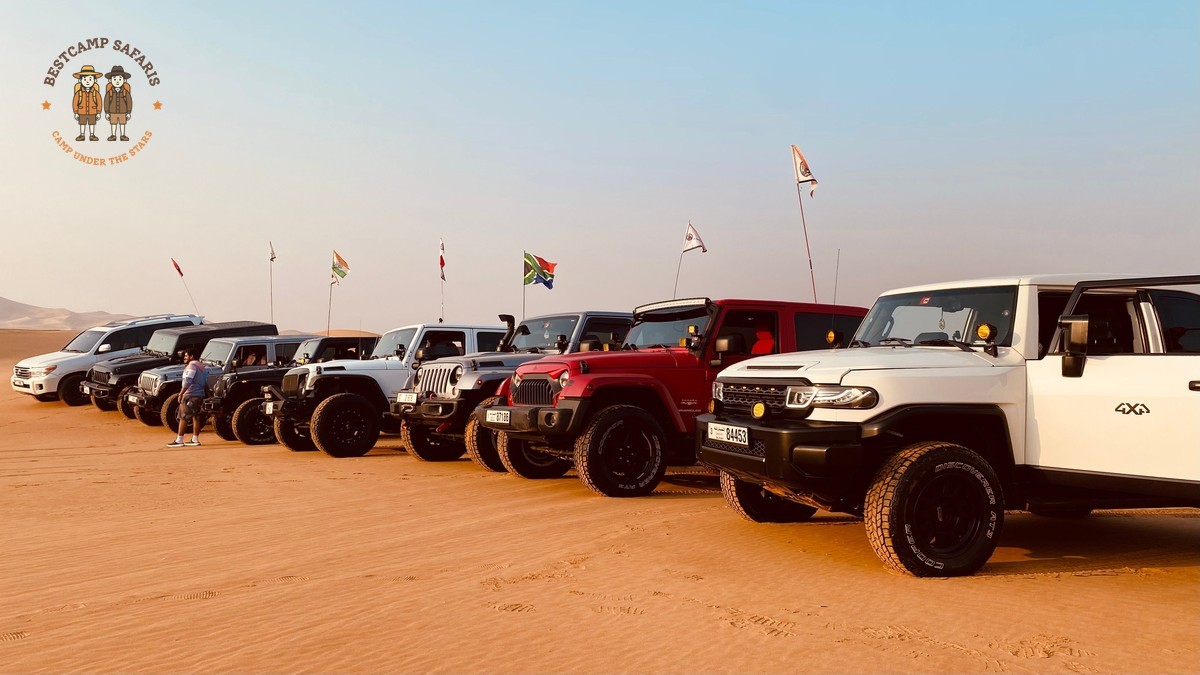
A Kenya self-drive camping vehicle should have a full-size spare tyre, jack with a stable base, wheel spanner, compressor, puncture-repair kit, tow or recovery strap, traction boards, fire extinguisher, first-aid kit, warning triangle, and basic tools. Confirm the 4×4 system, tyre condition, insurance excess, and recovery support before accepting the vehicle.
Do not assume the rental company includes every item. Many Kenya 4×4 car rental fleets come with a spare tyre and jack, but recovery boards and a compressor are extras. Ask for the exact inventory in writing. Also check that the roof tent, if included, has no cracked base and that the ladder locks correctly.
Pack a tyre pressure gauge and learn the correct pressure for gravel roads. A cooler with block ice, a reliable stove, and a headlamp matter more than a small solar panel. If you are newer to overlanding, read our seven safety checks for mobile camping in Kenya before you leave.
Do You Need a Roof Tent, Ground Tent, or Lodge Nights?
Pack or verify a waterproof rooftop or ground tent, mattress, sleeping bag, pillow, warm layer, headlamp, lantern, chairs, table, tarp, pegs, and clothesline. Rooftop tents improve visibility and keep sleepers off wet ground, but they add vehicle height and setup time; ground tents are lighter and more flexible at established campsites.
The decision affects your Kenya camping gear checklist more than any other choice. Compare the main styles before you buy or rent.
| Camp style | Best for | Typical setup time | Kenya route example |
|---|---|---|---|
| Rooftop tent on a 4×4 | Quick overnight stays, wildlife-viewing height, camping near a vehicle | 5 to 10 minutes | Amboseli National Park via Emali, 236 km from Nairobi |
| Ground tent | Budget self-drive safaris, hikers, campers who stay 2 or more nights | 15 to 25 minutes | Lake Nakuru National Park via Naivasha, 160 km from Nairobi |
| Lodge or tented camp night | Recovery after dusty drives, hot showers, no camp chores | No setup | Masai Mara National Reserve via Narok and Sekenani Gate, about 270 km from Nairobi |
A Kenya rooftop tent rental is ideal if you plan to wake early and drive to a new park the next day. A ground tent works well inside official public campsites because it packs smaller. A lodge night, even one in the middle of a two-week route, gives you time to wash clothes and recharge electronics.
Mix the two if your budget allows. For example, spend two nights in a rooftop tent in Amboseli, then one lodge night in Lake Nakuru before driving north. This cuts fatigue and gives you a warm shower before the long drive home.
How Much Fuel and Water Do You Need for Kenya National Park Camping?
Plan at least 20 to 40 litres of drinking and cooking water per vehicle for remote stretches, then adjust for the group and weather. Carry a stove and fuel, lighter, pot, pan, utensils, knife, cutting board, cooler or fridge, dry-food boxes, rubbish bags, dish soap, and simple meals that do not depend on refrigeration.
Water is heavy, so do not overdo it if your route passes camps with taps. Still, official camps in some parks are basic. A 40-litre water tank on the vehicle may not be drinkable. Carry a 10-litre jerry can of extra water even when you think you have enough.
Fuel planning follows the same logic. Fill the tank before entering a park. Many parks have no filling station inside the gate. On a route to Amboseli, fill in Emali or Namanga. On the way to Lake Nakuru, fill in Naivasha or Nakuru town. On a Masai Mara trip, top up in Narok.
Use this table to plan your entry fees as well as drive times. Current non-resident fees are shown because they have a large impact on your total budget.
| Route example | Distance from Nairobi | Typical non-stop drive | Non-resident entry fee per adult per day |
|---|---|---|---|
| Amboseli National Park via Emali | About 236 km | 3.5 to 4.5 hours | USD 90 |
| Lake Nakuru National Park via Naivasha | About 160 km | 2.5 to 3.5 hours | USD 90 |
| Masai Mara National Reserve via Narok and Sekenani Gate | About 270 km | 5 to 7 hours | USD 100 from January to June, USD 200 from July to December |
| Tsavo East National Park via Voi | About 330 km | 5 to 6.5 hours | USD 80 |
The Masai Mara fee is set by Narok County, not by Kenya Wildlife Service. Conservancies such as Naboisho or Mara North charge separately, and their fees are usually included in your lodge or camp rate. Use official websites or your rental agent to confirm the latest gate details.
What Clothing, Health, and Safety Items Should You Pack for a Kenya Self-Drive Safari?
Bring lightweight long sleeves, warm layers for early mornings, sun protection, sturdy shoes, sandals, insect repellent, sunscreen, personal medicines, prescriptions, hand sanitiser, toilet paper, wet wipes, and a compact first-aid kit. Pack water-purification supplies for backup, and confirm recommended vaccinations and insurance before travelling.
A 5am game drive in the Mara can be cold, so pack a fleece or down jacket even if the midday temperature climbs. Long trousers protect against bites and thorny brush. A wide-brim hat is not optional. Sunburn is easy to underestimate when the African sun is strong.
Medical preparations belong on the same list as gear. Carry enough prescription medicine for your entire trip plus a few extra days. Basic clinics in towns such as Voi, Narok, and Naivasha can help with minor issues, but your own first-aid kit should cover cuts, headaches, stomach upsets, and allergies. Use our Kenya safari vaccination checklist as a planning tool and confirm the latest advice with a travel clinic.
How Do Park Rules and Navigation Shape Your Self-Drive Safari Safety Plan?
Refuel before entering a park, save offline maps, record your route, and aim to reach camp well before closing time. Never drive after dark inside a park, leave the vehicle near wildlife unless rules explicitly permit it, secure food and rubbish, extinguish fires completely, and keep a ranger or park emergency number accessible.
Navigation on a Kenya National Park camping trip starts before you leave Nairobi. Download offline maps for the full route and choose a GPS app that works without signal. Carry a paper map as backup. A power bank and a 12-volt charger keep your phone alive when the vehicle is off.
Park hours vary by season and gate. Confirm your camp gate closing time the same day you arrive. If a slow puncture or a long wildlife drive eats your daylight, stop at a ranger post rather than risk night driving. The safety rule is simple: be inside your camp before darkness. You can review more details in our guide to mobile camping safety in Kenya.
The BestCamp Safaris Difference
BestCamp Safaris builds self-drive camping trips that remove the guesswork. We start with this exact Kenya self drive camping checklist, then match it to your vehicle, your route, and your experience level. If you choose a mobile camping safari, our team can coordinate park bookings, campsite reservations, and camp setup so you focus on the wildlife.
BestCamp Safaris also works with trusted Kenya 4×4 car rental and rooftop tent suppliers. We check that the spare tyre, roof tent, fridge, stove, and recovery gear are present before you drive away. That means your 5am coffee happens beside your own tent, not beside a vehicle with a flat battery.
Which Style Should You Choose for Your Kenya Self-Drive Safari?
Self-drive with a rooftop tent suits you if you love independence and know how to manage your own camp. A mobile camping safari suits you if you want someone else to handle the heavy lifting. A ground tent or a few lodge nights make sense on a budget trip or on a route with longer drives.
For a first Kenya self-drive safari, the smartest plan is usually a hybrid. Rent a reliable 4×4, take the camping equipment from this checklist, and add a guided or crewed camp for at least one section of the trip. If the Masai Mara is on your route, compare our three-day Masai Mara budget camping itinerary and see what a well-planned mobile camp really includes.
Whatever style you choose, start planning with BestCamp Safaris. Send us your rough route, and we will help you choose the right vehicle, tent, and campsites for your dates. Then you can wake up early, unzip your tent, and begin your drive.


