
 Wildlife Tours
I have zipped open a tent at 5am, left the canvas wet with dew, and stood on cool ground with a mug of tea while a guide checked tyre pressure. That is the real safari. It is also where responsible tourism begins. Good choices happen long before you see a lion, and they are easier to make with a clear plan.
This Kenya safari responsible tourism guide keeps things practical. You will find current park fees, conservancy comparisons, wildlife viewing rules, and ten choices you can make before and during the trip. Some choices cost more. Others only require asking better questions. Use this guide before you book, not after.
How This Kenya Safari Responsible Tourism Guide Defines Responsible Tourism
Responsible tourism means protecting wildlife, reducing environmental harm, respecting Kenyan cultures, and ensuring tourism income reaches local people. On safari, that means following guide and park rules, avoiding baiting or feeding animals, choosing transparent operators, limiting waste and water use, and supporting conservancies or businesses that employ and benefit nearby communities.
The phrase can feel abstract. On the ground, it is not. You will see it in how a driver behaves at a sighting, how a camp treats its staff, and whether your entrance fee reaches the people who manage the land. You will also see it in the menu. How locally sourced safari camp food works supports local farmers and reduces transport emissions.
One useful way to compare options is to look at the daily cost and the management model. Use the table below as a starting point.
| Destination | Distance from Nairobi | Road time | Entry fee per adult (non-resident) |
|---|---|---|---|
| Maasai Mara National Reserve | About 270 km via Narok | 5.5 to 6 hours | USD 100 from January to June; USD 200 from July to December |
| Naboisho Conservancy | About 275 km via Sekenani | 5.5 to 6 hours | USD 80 to USD 150 per night, bundled into lodge rates (indicative) |
| Amboseli National Park | About 240 km via Emali | 4 to 4.5 hours | USD 90 per day |
| Chyulu Hills National Park | About 220 km via Sultan Hamud | 3.5 to 4 hours | USD 40 per day |
| Lewa Wildlife Conservancy | About 220 km via Nanyuki | 3.5 to 4.5 hours | Usually bundled into lodge rates; indicative USD 200 to USD 500 per night |
Fees are current as of August 2026. The Maasai Mara reserve fee is set by Narok County Government, not the Kenya Wildlife Service. Many other KWS parks sit at USD 80 or USD 90 per day. Nairobi National Park, Tsavo East, and Tsavo West are USD 80. Lake Nakuru National Park is USD 90.
How to Choose Community-Owned Conservancies for an Ethical Safari in Kenya
Choose an operator that names its conservation and community partners, explains where park or conservancy fees go, employs local guides and staff, and can show measurable results. Community-owned areas such as Il Ngwesi and Maasai Mara conservancies can retain tourism income locally, while bed caps and permits may reduce crowding.
Start with questions. Who owns the conservancy? What does the community receive from your stay? How many vehicles are allowed at a sighting? Is off-road driving allowed? A responsible operator answers without hesitation. If a company only says “we are eco-friendly,” ask for names and numbers.
Il Ngwesi is owned by the Il Ngwesi Group Ranch. It has been run by Maasai landowners for decades. Naboisho and Mara North operate under the Maasai Mara ecosystem with lower bed densities than the reserve. Lewa and Ol Pejeta connect rhino conservation with community health and education work.
If you have done the Maasai Mara before, consider Laikipia or Meru. Lewa and Ol Pejeta offer strong conservation stories. Meru National Park feels wilder and has fewer vehicles. These areas work well for a repeat visitor who wants space.
Before you compare prices, ask what a Kenya safari cost usually includes. A low advertised rate may exclude conservancy fees, park fees, or community levies. A higher rate that covers everything can be the better deal.
Wildlife Viewing Rules: Distance, Vehicles, Roads, and Photography
Stay in the vehicle unless a guide confirms a designated place, keep at least 20 metres from wildlife, remain on authorised roads in national reserves, and never feed, bait, call, or chase animals. Ask before photographing people, and favour guides who limit vehicles at sightings and switch off engines when safe.
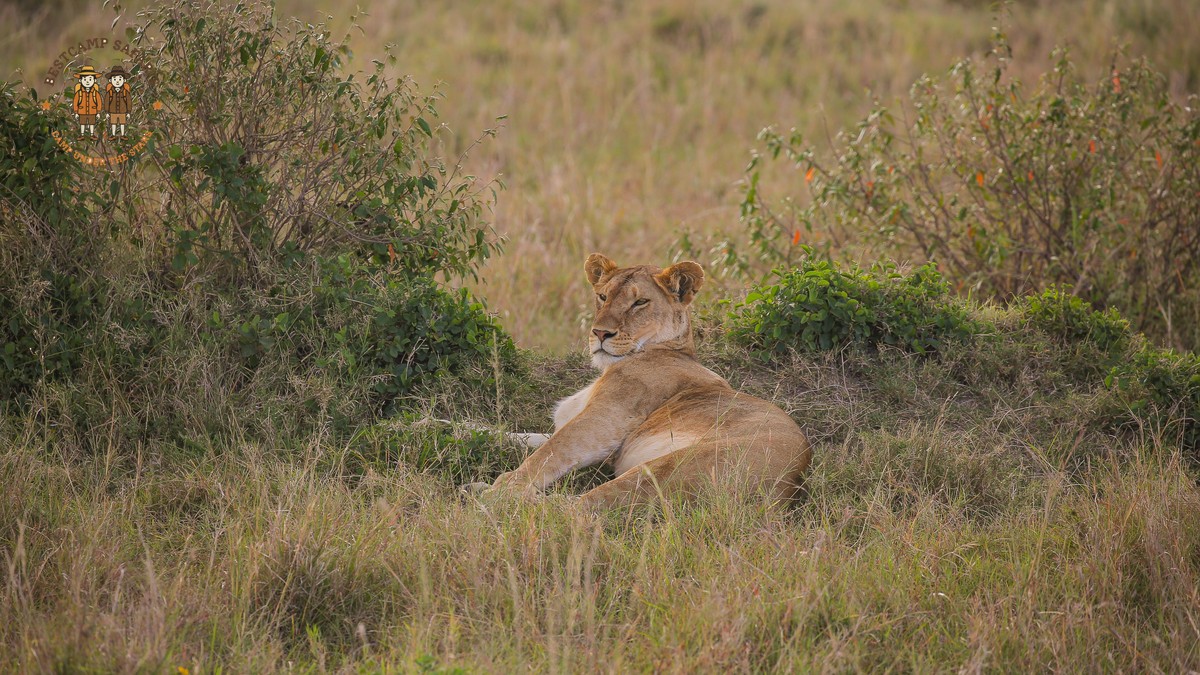
Twenty metres is the minimum, not the goal. A lion resting near the road may be closer because it chose that spot. The guide should read its body language. If you crowd a cheetah or force a closer angle, the wildlife pays the price.
Wildlife viewing rules in Kenya vary by landowner. In KWS national parks, staying on designated roads is a requirement. In private conservancies, controlled off-road viewing can be allowed for specific animals like rhino or predators, but only with a permit and an experienced guide. Ask about this before you book.
Good photography does not need baiting. It needs patience. Turn the engine off, lower your voice, and let the animal choose the angle.
How Safari Camps Reduce Environmental Impact and Choose Sustainable Safari Camps
The most credible camps reduce impact through solar power, filtered water stations, rainwater or water-saving systems, responsible waste management, local procurement, and careful site planning. Ask how a camp handles sewage, plastic, laundry, energy, and supplies rather than relying on a generic sustainability label; reusable bottles and longer stays also reduce waste and driving.
At 5am, a bush breakfast is packed into wooden crates. Solar lanterns are charged. Water is heated over a small fire for bucket showers. That is what a low-impact camp looks like in the bush. It is not always glamorous, but it leaves the ground lighter.
Ask for specifics. Does filtered drinking water replace bottled water? Are toiletries in refillable containers? Where does grey water go? What happens to kitchen waste? Do they buy vegetables from local farms? The best sustainable safari camps in Kenya can answer every one of these questions.
An eco-friendly safari in Kenya does not require roughing it. A mobile tented camp can be more sustainable than a permanent lodge if it moves carefully and uses solar power. Longer stays also reduce driving. Two nights at one camp produce less fuel than four one-night stops.
How to Respect Kenyan Communities and Support the Local Economy
Ask permission before photographing people, use licensed guides for cultural visits, buy directly from cooperatives or local artisans, and avoid giving money or gifts to children. Prefer experiences where communities set the terms and receive transparent fees, wages, or lease income instead of staged encounters designed only for tourists.
Cultural visits can be one of the best parts of a Kenya safari. Visit a Maasai village only when you know who owns the experience. Ask if the community receives a set fee or a share of the tourism income. If children are brought out to perform, think about whether that is respectful.
Shop at the village cooperative. Buy beadwork from the women who make it, not from a stall set up at the camp gate. And never hand sweets to children. Small gifts can create dependency and change village relationships.
Off-peak travel also supports communities. When you travel outside the July to December rush, the same jobs and services keep running. For a sense of timing, check when the Masai Mara migration is visible and decide whether you need the peak months.
Your 10 Smart Choices for a Responsible Kenya Safari
Here are ten choices that matter more than any single lodge logo.
- Stay in a community conservancy for at least some nights.
- Ask operators to name their conservation partners.
- Keep 20 metres away from wildlife.
- Never feed, bait, call, or chase animals.
- Carry a refillable water bottle and avoid single-use plastic.
- Stay longer at fewer camps to reduce driving.
- Book off-peak when possible.
- Use licensed guides for cultural visits.
- Buy directly from local cooperatives.
- Leave no trace. Take photos, not rocks or plants.
The BestCamp Safaris Difference
BestCamp Safaris plans trips around the choices above. We are the people who sleep in mobile tented camps, and we know the ground those camps sit on.
Our Kenyan team guides in Samburu, Laikipia, Meru, and Chyulu Hills. We group trips into community conservancies, keep vehicle numbers low at sightings, and enforce the 20 metre rule. We ask the hard questions about waste, water, and local wages before we recommend a camp. We also price trips honestly, so what a Kenya safari cost usually includes leaves no surprises.
A BestCamp safari is not the cheapest. It is the one that gives you an early morning walk into camp by lamplight, a bush breakfast packed into wooden boxes, and a clear sense of where your money went. Some nights you sleep under canvas with the roll-back roof open to the stars.
Frequently Asked Questions
What is responsible tourism in Kenya?
Responsible tourism in Kenya protects wildlife and ecosystems, respects local cultures, and directs economic benefits to nearby communities. For visitors, that means following wildlife rules, choosing transparent operators, reducing waste, and supporting locally owned services.
How do I choose a responsible safari company in Kenya?
Ask whether the itinerary includes community conservancies, where fees go, and how many local guides are employed. Request clear policies on vehicle numbers, off-road driving, wildlife distance, waste, and conservation results.
How close can safari vehicles get to wildlife in Kenya?
A responsible minimum is 20 metres. Guides should create more distance when animals show stress. Stay in the vehicle, stay on authorised roads, and never use food, bait, calls, or chasing to improve a sighting.
Is it ethical to visit a Maasai village in Kenya?
It can be ethical when the community controls the visit, receives transparent payment, and gives informed permission for participation and photos. Ask who owns the experience and how much the community receives. Treat residents as hosts, not photo subjects.
Are eco-friendly Kenya safaris more expensive?
Often, yes. Conservation levies, lower guest numbers, local employment, and higher operating costs raise prices. A current guide suggests USD 450 to USD 850 per person per day for mid-range eco-camps, and USD 1,200 or more for ultra-luxury impact lodges. Prices vary by season and itinerary.
Plan Your Responsible Kenya Safari with BestCamp Safaris
Ready to turn this guide into an itinerary? BestCamp Safaris can build a trip through Samburu, Laikipia, Meru, or Chyulu Hills with low-density camps, community-led visits, and honest budgets.
Browse our Kenya safari trips or reach out through our contact page. We will answer your questions before you book.


