
 Wildlife Tours
You have probably opened five safari websites and seen five different numbers. One says $200 a day. Another says $1,500. Both can be true, and that is the frustrating part. The real question is not the headline price. It is what sits inside the number.
I have camped on the edge of the Masai Mara for seasons, and I know what a full-day quote should include before the coffee is poured. This guide explains the Kenya safari cost inclusions in plain terms for 2026. You will learn where the $300 per person per day figure comes from, what it covers, and what quietly stays outside it.
Kenya Safari Cost Inclusions: What’s Included in a Package?
A Kenya safari package includes accommodation, full-board meals, game drives, park and reserve entry fees, road transfers, a 4×4 vehicle, and a professional driver-guide. Fuel and drinking water are also covered. Airport transfers and government taxes are commonly included, but confirm each item because budget and fly-in packages differ.
Let me translate that into a single morning. At 5am the camp is still dark. The canvas flaps twice, then settles. Your guide brings two cups of sweet tea, and the cook is already packing the Land Cruiser for a bush breakfast. That breakfast, plus the picnic lunch for the afternoon drive, is part of your full-board rate.
A standard quote also covers the game drive itself, because the reserve entry fee is inside the price. The vehicle is a 4×4 with a pop-up roof, and the fuel is included. That matters, because fuel is not cheap and a long day around the Mara Triangle can burn a lot of it.
If you want to know exactly what those three meals look like, read our guide to what safari camp meals include. You will see why safari food deserves more attention than most travelers give it.
The main difference between package types is transport. A road-based package includes your transfers from Nairobi. A fly-in package may replace a long drive with a short flight, and that flight usually appears as a separate line.
What Is Not Included in the Safari Price?
International flights, Kenya’s eTA, travel insurance, medical evacuation cover, guide and camp tips, alcoholic drinks, laundry, personal purchases, and optional activities are usually excluded. Hot-air balloon flights commonly cost about $450 to $550 per person. Internal flights may also be separate when the itinerary replaces a long road transfer.
Plan for the Kenya safari exclusions before you leave home. Never book your international ticket before the quote says “international flights excluded” in writing. The same goes for the Kenyan eTA, which you apply for online before departure. Travel insurance is non-negotiable in my view. Even a small accident can turn into a very large medical bill, and evacuation from a remote camp costs real money.
Tips are the part first-timers forget. As a rough guide, plan about $10 to $20 per person per day for your guide and camp staff. Nobody will chase you, but this is how many camp teams are paid.
Alcoholic drinks and premium sodas are rarely part of full board. Laundry comes back folded and wonderful, but it usually shows up on your check-out bill. Optional activities are the biggest surprise line. A balloon ride over the Mara at sunrise costs about $450 to $550. A Maasai village visit usually runs $30 to $50. A guided bush walk in Naboisho Conservancy sits around $30 to $60. These are indicative ranges, so confirm your exact price at booking.
Kenya Safari Cost by Budget, Mid-Range, and Luxury Level
Plan roughly $250 to $350 per person per day for budget travel and $300 to $700 for mid-range travel. Luxury runs from $800 to $2,000 or more per day in 2026. A seven-day private mid-range safari costs about $2,600 to $6,000 per person before international flights. Season, group size, and accommodation drive the final figure.
The Kenya safari package cost only makes sense when you attach it to a tier. Here is the same seven days at three levels.
| Tier | Per person per day | 7-day estimate per person | What you usually get |
|---|---|---|---|
| Budget | $250-$350 | about $1,900-$2,600 | Shared or private 4×4, simple tented camp near a park gate, full board, park fees listed |
| Mid-range | $300-$700 | about $2,600-$6,000 | Private 4×4, central tented camp or lodge, full board, park and conservancy fees |
| Luxury | $800-$2,000+ | about $7,000-$14,000+ | Private guide, mobile tented camp, private conservancy access, sometimes fly-in |
The 7-day Kenya safari cost we quote most often lands between $2,600 and $6,000 per person. That range is wide because the Kenya safari price per person changes with season, group size, and camp choice. Two people sharing a vehicle pay less per person than a solo traveler. A trip in June avoids the top peak-season rates.
Here is the honest part. A low daily rate often means a shared vehicle, a camp outside the park boundary, or longer road transfers. A higher rate buys a private Land Cruiser, a camp that shortens the drive to wildebeest crossings, and fees already inside the total. Neither is wrong. You just need to know which one you are buying.
Park Fees, Conservancy Fees, and Optional Activity Costs
A properly quoted safari should identify every national-park, reserve, and conservancy fee rather than hiding them inside a single package total. Ask whether fees cover every safari day and whether private conservancy access is included. Budget separately for balloon safaris, boat trips, cultural visits, bush walks, and other activities that are normally optional.
Kenya safari park fees are the easiest part to verify, because they change rarely and are public. Kenya Wildlife Service raised its non-resident entrance fees in October 2025, and these are the current figures for 2026.
| Park or reserve | Non-resident fee per adult, per day |
|---|---|
| Masai Mara National Reserve, January-June | $100 |
| Masai Mara National Reserve, July-December | $200 |
| Amboseli National Park | $90 |
| Lake Nakuru National Park | $90 |
| Tsavo East / Tsavo West National Park | $80 |
| Chyulu Hills National Park | $40 |
| Nairobi National Park | $80 |
| Naboisho / Mara North Conservancy | $80-$150 per person per night, usually inside the camp rate |
Notice the Masai Mara is run by Narok County, not Kenya Wildlife Service. That is why its fee is different and why it doubles in peak season. July through December includes the great migration, when the reserve is busiest. If you are planning around the herds, our guide to the best months for the Masai Mara migration will help you match the crossing action to your calendar.
Private conservancies such as Naboisho and Mara North work differently. Their access fee is almost always bundled into the nightly camp rate, roughly $80 to $150 per person. That is a good deal when you consider wildlife density and the absence of minibus crowds.
Optional activities sit outside the package. Budget about $450 to $550 for a balloon safari, $30 to $60 for a guided walk, and $30 to $50 for a village visit. Near Lake Naivasha, a boat ride to see hippos costs roughly $20 to $40. Treat these as extras, not surprises.
How Accommodation, Meals, Vehicles, and Transfers Affect the Total Price
Accommodation is usually the largest price variable, followed by vehicle type, season, and internal flights. Budget packages may use shared transport or camps outside park boundaries. Higher-priced trips may include a private Land Cruiser, prime-location tented camps, shorter transfers, and all meals. Road-only itineraries cost less than fly-in safaris but take longer.
The drive from Nairobi to the Masai Mara’s Sekenani Gate is about 270 km and takes five to six hours on a good day. Amboseli is roughly 240 km, closer to four hours. Lake Nakuru is about 160 km and two and a half hours. Those road transfers are cheaper than flying.
Fly-in safaris swap the drive for a 45-minute charter from Wilson Airport to Musiara or Olkiombo Airstrip. A domestic charter sector adds roughly $250 to $400 per person, depending on the route and aircraft. The convenience is real, and it changes the total.
Vehicle type matters more than first-timers expect. A private Land Cruiser with a pop-up roof costs more than a shared minibus, and it earns the difference on rough tracks. The best guides also cost more, and they are worth it.
Meals are normally full board, which means breakfast, lunch, and dinner. Drinking water is usually supplied in the vehicle. Alcohol and premium sodas are not. Our deeper look at what safari camp meals include shows the difference between a camp kitchen and a lodge buffet.
Finally, season moves every number. July through October is peak, and the Mara park fee doubles to $200. June and November still offer excellent game viewing, and the same camp often costs less. Those shoulder weeks are the sweet spot.
The BestCamp Safaris Difference
BestCamp Safaris lists every Kenya safari cost inclusion by line item: the 2026 park fees from the table above, the vehicle type, the camp names, and the meals. There are no fuel surcharges added later and no “administrative fee” at payment. The difference shows up in the quote itself, not in a slogan.
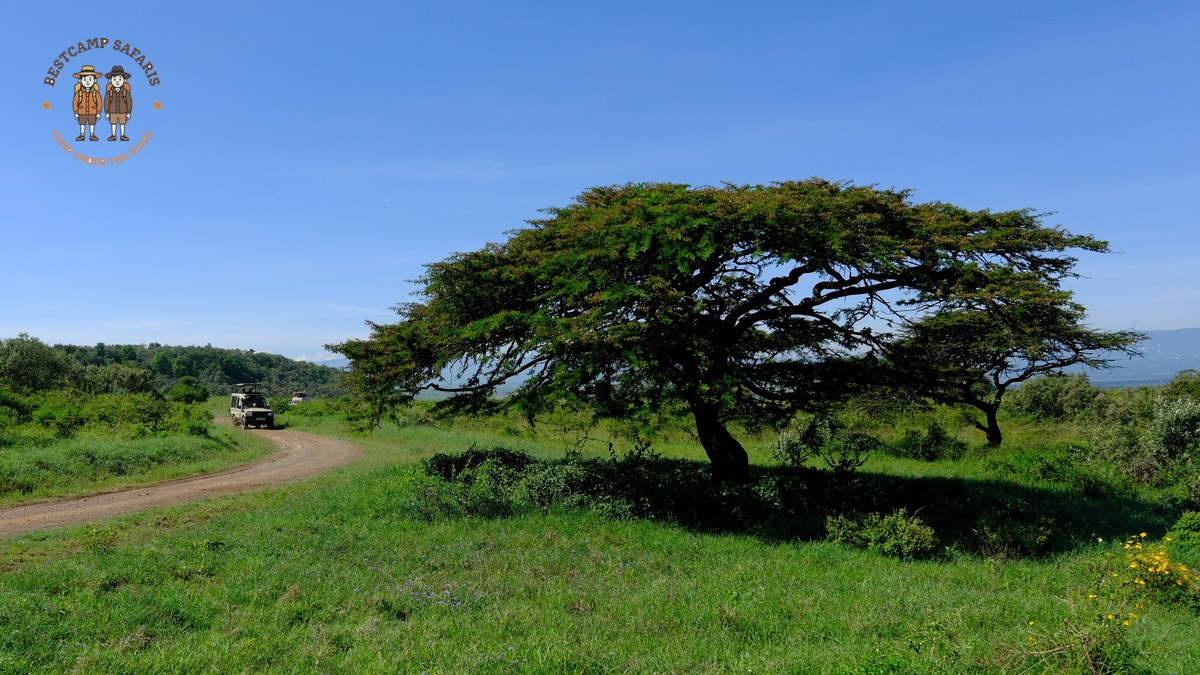
The experience side is quieter. You sleep in canvas, and the world wakes you up: baboons barking from the escarpment, birds testing the light, coffee bubbling in the mess tent. The walk back into camp after dark follows a path of hurricane lamps. A bush breakfast is packed at 5am so you can eat under a flat-top acacia while the sun burns the mist off the grass.
Camp size matters, too. Small mobile tented camps mean fewer vehicles around a lion sighting and more time with a guide who knows the river crossings by name. The price per person is higher than a big lodge, and we think that trade is worth it.
If you want to compare premium stays, our Kenya luxury camping prices article breaks down fixed lodges, mobile tents, and fly-in options.
Frequently Asked Questions
What is included in a Kenya safari package?
Most packages include accommodation, full-board meals, game drives, park fees, road transport, a safari vehicle, a driver-guide, fuel, and drinking water. Airport transfers and taxes may also be included, but the itinerary should confirm them in writing.
Are park fees included in Kenya safari prices?
Park fees are included in many correctly priced Kenya safari packages, but travelers should check which parks, dates, and entry periods the quote covers. Conservancy fees may be listed separately, especially for private conservancies or premium camps.
Does a Kenya safari include meals and drinks?
Full-board packages normally include breakfast, lunch, and dinner at the camp or lodge, plus drinking water during game drives. Alcohol, premium soft drinks, minibar items, and some camp bar drinks are often extra.
Are flights included in an all-inclusive Kenya safari?
International flights are generally not included, even when a safari is advertised as all-inclusive. Domestic flights may be included only in fly-in itineraries. Road-based quotes usually include vehicle transfers instead, so the itinerary must specify every flight sector.
How much does a 7-day Kenya safari cost per person?
A seven-day Kenya safari commonly costs about $2,600 to $6,000 per person for a private mid-range trip, while luxury itineraries can reach $7,000 or more. These figures generally cover land arrangements and park fees but exclude international flights, eTA charges, insurance, tips, and optional activities.
Plan Your Kenya Safari
When you are ready to turn these numbers into a route, BestCamp Safaris will build a day-by-day itinerary with every line item spelled out. You will see the camp names, the vehicle, the park fees, and the exclusions before you pay a deposit.
Browse the current Kenya safari trips or send a message through the contact page. Tell us your budget, your dates, and how many nights you can spare. We will show you exactly what $300 a day looks like on the ground, and where an extra $100 or $400 could take you.


