 Wildlife Tours
If you are asking is it safe to drink water safari, you are not alone.
You are standing at the Nairobi hotel sink, toothbrush in hand. You hesitate. Is the tap water safe? What about the ice in that gin and tonic? And tomorrow, at a tented camp in the Maasai Mara, what exactly will be in the water jug on your nightstand?
The short answer: yes, the water you are handed on safari is safe to drink. Lodges and mobile camps treat their water. But the longer answer involves knowing the difference between treated camp water, tap water in towns, and that clear-looking river you might be tempted to dip a bottle into.
This guide is Kenya-first. It explains what you will actually be offered, what is included in your safari price, and when you should reach for your own backup bottle or purification tablets.
Is It Safe to Drink Water Safari? The Short Answer
Here is the simple rule that applies across Kenya, Tanzania, and most of Southern Africa:
- Lodge and camp water (treated, filtered, or bottled) is safe. Drink it without worry.
- Tap water in cities and towns is risky for most visitors. Do not drink it straight.
- River, lake, or stream water is never safe untreated. Even if it looks crystal clear.
- Ice in reputable lodges is safe. It is made from treated water.
Your body is not used to local bacteria. Kenyan locals drink tap water in Nairobi every day. You should not. That does not mean the water is dirty. It means your stomach has not built the same defenses. The result can be a few uncomfortable days that eat into game drive time.
| Water Source | Safe for Visitors? | Notes |
|---|---|---|
| Bottled water (sealed) | Yes | Widely available, included at many camps |
| Lodge filtered/tank water | Yes | Check with your camp to confirm treatment |
| Nairobi tap water | No | Boil or filter first, even for teeth |
| Ice at a reputable lodge | Yes | Made from treated water |
| River or lake water | No | Never drink, even with a filter for most parasites |
| Water from a village borehole | Maybe | Requires confirmation, usually treated |
What Lodges and Mobile Camps Actually Do
Safari camps in Kenya run on their own water systems. They are not connected to a municipal supply. A typical mobile tented camp, like the ones BestCamp Safaris sets up in the Mara and Amboseli, brings its own water.
That water comes from one of three places:
- Boreholes drilled deep underground. This water is naturally clean but is still treated with chlorine or UV filters before use.
- Treated lake or river water. Larger lodges draw water, then filter and treat it to a safe standard.
- Trucked-in water. Mobile camps haul water in a tanker or jerrycans from a reliable source, then treat it on site.
The result is the same. The water in your shower, your sink, and your drinking jug has been treated. At BestCamp Safaris, we treat all camp water with UV filters and chlorine. The drinking water in the dining tent comes from sealed bottles or a large dispenser that is refilled from treated sources.
You will be handed a reusable bottle or a glass bottle at meal times. You will also find a dispenser in the main tent for refills. Refill freely. That water is safe.
Kenya vs. Tanzania: Any Difference?
Safari destinations in East Africa follow the same general rules. Lodge water is treated. Tap water in towns is not recommended. But there are a few differences worth knowing.
| Place | Drinking Water Situation | Park Fee (Non-Resident) |
|---|---|---|
| Maasai Mara National Reserve, Kenya | Camps treat or bottle water. Fee includes water at most camps. | USD 100/day Jan-Jun, USD 200/day Jul-Dec |
| Amboseli National Park, Kenya | Lodge water treated. Carry bottles on game drives. | USD 90/day adult |
| Lake Nakuru National Park, Kenya | Lodge water safe. Town tap water not recommended. | USD 90/day adult |
| Naboisho Conservancy, Kenya | High-end camps, water treatment excellent. Often included. | USD 80-150/person/night (bundled) |
| Serengeti National Park, Tanzania | Same lodge standards as Kenya. | Roughly USD 70-100/day (indicative) |
The fee table shows something important. Park entrance fees in Kenya run from USD 80 to USD 200 per adult per day. That is a big part of your safari cost. Drinking water at your camp is a small line item by comparison. Most camps fold unlimited drinking water into your nightly rate. If you ever get a bill for an extra bottle of water at a camp, question it. It is rarely standard practice.
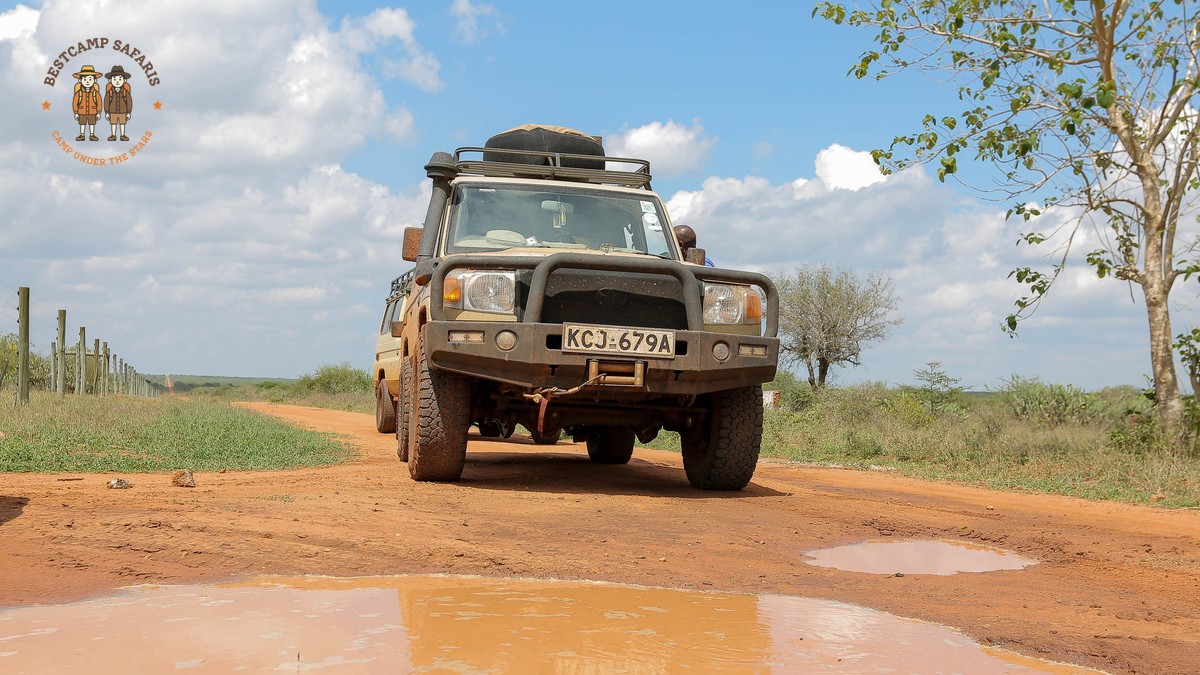
One caveat. On game drives, you will be out for hours. Your camp will provide water bottles for the vehicle, usually in a cooler. Do not expect to buy bottled water from a shop at a Mara river crossing. There is no corner store in the middle of the reserve. What your guide packs is what you get.
The Practical Cost Question
You are paying a lot for your safari. The park fees above plus accommodation and transport add up. Drinking water should not be an unexpected extra.
At BestCamp Safaris, unlimited drinking water is included in every safari package. That means the bottle in your tent, the refills at the dining table, and the water in the game drive cooler are all part of your price. You do not need to tally up water costs.
You may want to buy extra sealed water in Nairobi. The hotel will have minibar bottles at a premium. Instead, grab a few 1.5-liter bottles from a supermarket like Carrefour or Nakumatt for about KES 100 to 150 per bottle, roughly USD 1. That covers your first transfers and a backup supply. It is a small cost for peace of mind.
Game Drives and Transfers: What to Drink
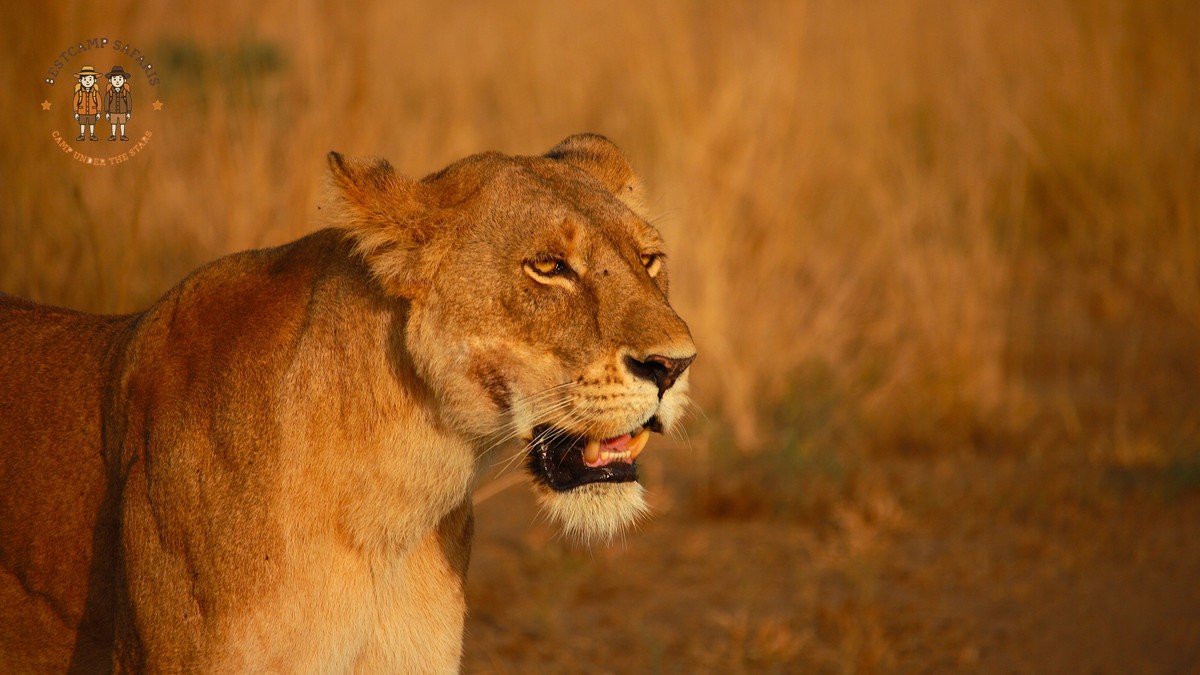
The most common mistake first-timers make is not having enough water on a full-day game drive. You are in an open vehicle, the sun is strong, and you are watching lions for hours. Dehydration sneaks up on you.
Your guide will carry water in the vehicle. Ask for a refill whenever you need one. The bottles are for you, not just for show.
On long transfer days, like the five to six hour drive from Nairobi to the Maasai Mara, your driver will stop for a restroom and snack break. The bottled water you bought in Nairobi is your safest option. The soda or juice from the rest stop is fine. Unless the rest stop has a sealed bottle, stick to what you brought.
Can You Brush Your Teeth with Safari Tap Water?
This is the question guests ask most often. The answer is a cautious yes, with a workaround.
In a lodge or camp, the tap water in your bathroom is treated. Brushing your teeth with it is generally fine. Many travelers do it without issue. The risk is low because you spit it out and rinse briefly.
But if you want zero risk, use the drinking water from your tent. Your camp provides a bottle or a flask of safe drinking water. Use that to wet your toothbrush and rinse. It costs nothing and removes all doubt.
For children, use drinking water for teeth. Their stomachs are more sensitive. Same advice applies to washing a pacifier or a bottle nipple. Use the safe drinking water.
What About Ice in Your Drink?
At a reputable lodge, ice is safe. It is made in a commercial ice machine that uses the same treated water as your drinking supply. The ice in your sundowner gin and tonic is fine.
In Nairobi restaurants and bars, ice is also generally safe in established places. The big hotels and chains use commercial ice. On the street, avoid crushed ice from street vendors. Stick to sealed drinks.
Signs Water Is Not Safe
Even with all the precautions, you should know the signs that water might be off.
- Cloudy or milky water. Clear water is not always safe, but cloudy water is a red flag.
- A strong chlorine smell. A little chlorine means treatment is happening. A lot means they overdosed, which is not dangerous but tastes awful.
- Unsealed bottles. If a bottle cap is already broken, ask for a new one. This matters at remote rest stops.
- Standing water around the camp pump. This suggests a maintenance issue, not necessarily your drinking water, but worth mentioning to camp management.
If water tastes metallic, earthy, or just wrong, do not drink it. Ask the camp staff. They will happily give you a sealed bottle instead.
What to Pack: Your Water Backup Kit
You do not need a full laboratory kit. But a small backup system is smart, especially for long transfers and remote areas.
- A reusable water bottle. A stainless steel or hard plastic bottle, 1 liter, that clips to your daypack. Your camp will refill it.
- Water purification tablets. A small tube of iodine or chlorine dioxide tablets costs about USD 10. They are a lifesaver if you ever need to use emergency water.
- A lightweight filter. A straw filter like a LifeStraw or a bottle filter handles most bacteria and protozoa. It does not remove viruses, but those are rare in this context.
- Electrolyte sachets. Not for purification, but for rehydration if you do get a stomach bug. They weigh nothing and taste great in treated water.
Do not overpack. Three items cover you: a bottle, a tube of tablets, and a few electrolyte sachets. That fits in a jacket pocket.
Can Kids Drink the Water on Safari?
Children are more vulnerable to stomach upsets than adults. At BestCamp Safaris camp, the water your child drinks is the same safe treated water you get. The rules are the same, just stricter.
Use bottled or treated water for everything your child drinks, including teeth brushing. Avoid fresh juices made with tap water at local stops. Stick to sealed juices or sodas. And pack extra electrolyte sachets for kids. A dose of rehydration salts is the first remedy if a child gets loose stools.
For more on bringing children to camp, read our guide on can kids join safari camps. It covers age limits, activities, and what the tent setup looks like for families.
What to Ask Your Lodge or Operator
Before you travel, ask your safari operator these three questions. They take ten seconds and give you complete clarity.
- Is drinking water included in my package? The answer should be yes. If it is not, ask what the per-liter cost is at camp.
- How is your water treated? UV, chlorine, or bottled supply. You want to hear a specific method.
- Do you provide refillable bottles in the vehicle? Most camps do.
If you book a Masai Mara safari from Nairobi, your guide will confirm all three before you leave the city. You can also check with the camp direct. They are used to these questions and happy to answer.
The Bottom Line
Is it safe to drink water on safari? Yes, almost always. The water your lodge or camp provides is treated. The bottled water you buy is safe. The tap water in Nairobi is not, and river water is never safe.
The comfort comes from knowing the system. Your camp filters and treats water on site. Your guide carries safe bottles on game drives. And your own backup kit covers any edge case.
A safari is about the animals, the landscapes, and the silence at dawn. Dehydration should not be part of that story. Drink the camp water. Refill your bottle. Trust the system, because it works.
The BestCamp Safaris Difference
At BestCamp Safaris, water safety is built into the camp design. Our mobile tented camps use UV filtration plus chlorine treatment on every drop that reaches your tent. The drinking water in the mess tent comes from a sealed dispenser that is refilled daily from treated sources. Your tent has a flask or bottle of safe water waiting for you each evening when you return from your game drive.
Our guides carry coolers with 1.5-liter bottles on every vehicle. They refill them at camp before departure and keep them cold through the day. You never have to ask for water. It is simply there.
We also know that families worry more. If you are planning a family safari Kenya trip, we will brief you on water handling for kids on day one. It is not a lecture. It is a five-minute chat over morning coffee before your first game drive.
Every BestCamp Safari package includes unlimited drinking water. No water bills, no per-bottle charges, no surprises. You pay for the safari. We handle the hydration.
Ready to Plan Your Kenya Safari?
Water is sorted. Now comes the fun part: deciding where to go and what to see.
The Maasai Mara in July and August is peak migration season, with the wildebeest river crossings. January and February are excellent for big cat viewing with fewer crowds. Amboseli gives you elephants against Mount Kilimanjaro. Lake Nakuru has rhinos and flamingos.
When you are ready, reach out to us at BestCamp Safaris. We will answer your water questions, confirm what is included, and build a trip that fits your pace. Check out our Maasai Mara safari from Nairobi page or browse our other itineraries. We are here to help you plan a safe, comfortable, and unforgettable time in the bush.


