
 Wildlife Tours
I still wake up at 5:40am out of habit, even at home. That’s when the camp cook starts rattling the kettle outside my tent in the Mara. The flap unzips with a “chai, chai” and a torch beam across the canvas. Fifteen minutes later you’re climbing into a Land Cruiser in the dark, hands wrapped around a tin mug. You wait for the sky to turn orange over the escarpment.
So when people ask me how many game drives per day they actually get, I understand why they’re asking. Nobody wants to pay for a safari and end up sitting in camp bored. Nobody wants to be so exhausted from back-to-back drives that the animals start to blur together either.
Here’s the straight answer, plus the details nobody else seems to spell out.
How Many Game Drives Per Day Is Standard?
Most Kenya safari camps, BestCamp Safaris included, run two game drives a day. One in the early morning, one in the late afternoon. This is true whether you’re staying inside the Maasai Mara National Reserve, in a private conservancy like Naboisho, or down south at Amboseli.
Two drives a day isn’t a compromise. It’s built around when animals actually move. Predators hunt at dawn and dusk, then rest through the heat of the day. A drive at 1pm in the Mara mostly turns up sleeping lions and shimmering heat haze. Camps schedule around the animals, not the other way round.
A Typical Day in a Mobile Tented Camp
Here’s what an actual day looks like, based on the rhythm we run at BestCamp Safaris mobile camps in the Mara ecosystem:
- 5:45am – wake-up call with tea or coffee brought to your tent
- 6:15am – depart camp for the morning game drive
- 9:30 to 10:00am – return to camp, or stop for a bush breakfast if the sightings are good
- 10:00am to 3:30pm – brunch, rest, optional bird walk or camp downtime, lunch
- 4:00pm – depart for the afternoon game drive
- 6:30 to 7:00pm – return to camp as the sun drops, walked in by lamplight if it’s already dark
- 7:30pm – dinner around the fire, then bed
That five-hour gap in the middle isn’t wasted time. It’s when you nap, shower under a bucket, or just sit and watch the plains from a camp chair. Most first-time guests underestimate how much they need that break by day three.
How Long Does Each Game Drive Last?
A standard morning or afternoon drive runs three to four hours. That includes the actual driving between sightings, not just the minutes parked next to a pride of lions. If you’re curious about the split, we’ve written separately about how much of a game drive is actually spent driving vs viewing wildlife. It varies a lot by conservancy versus reserve.
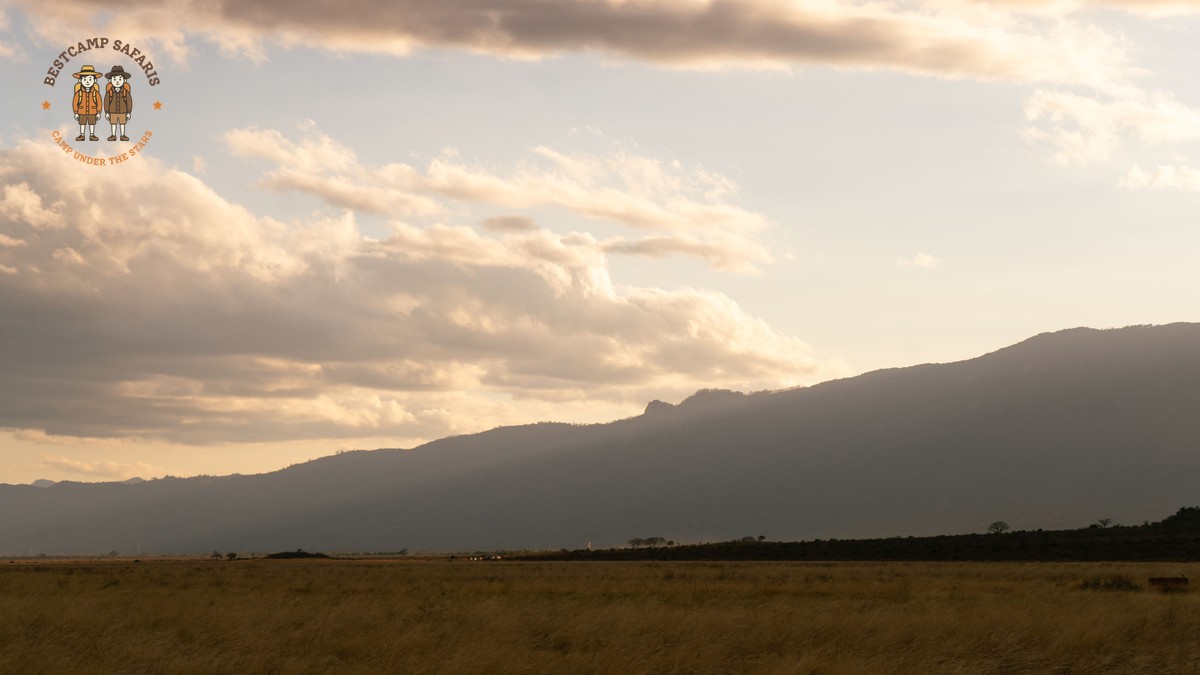
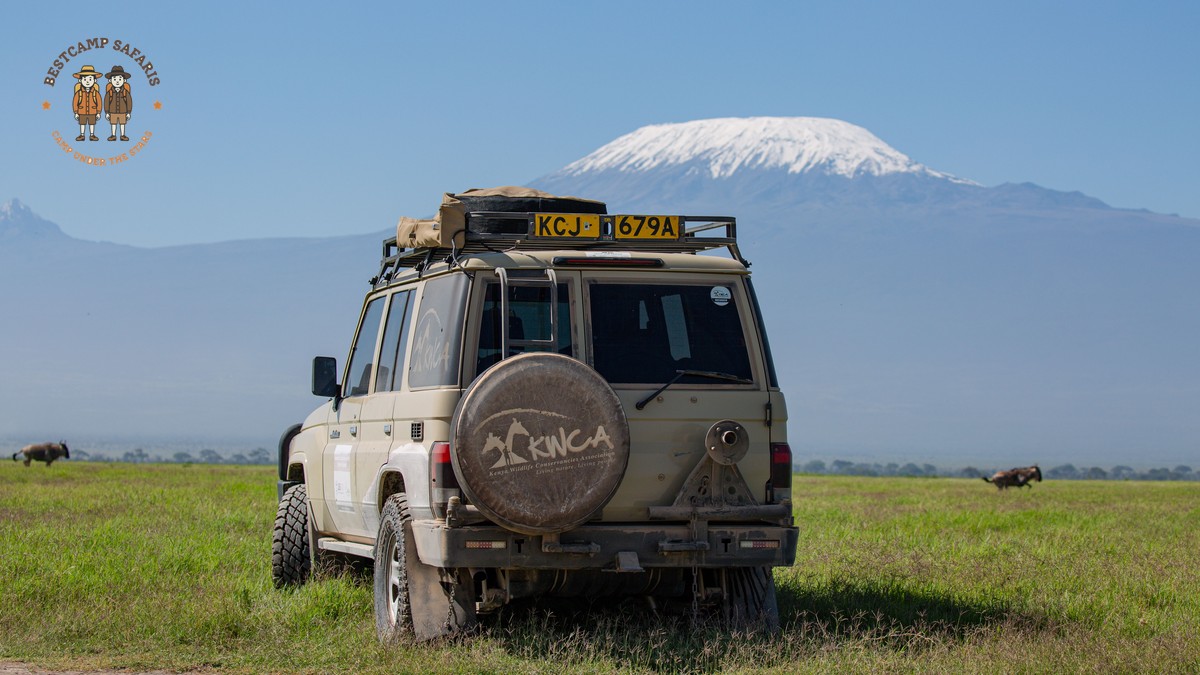
Morning drives tend to run longer because dawn light lasts and predators are most active then. Afternoon drives are shorter, often three hours. They’re timed to end right at sunset for the classic gold-light photos over the Mara River or Amboseli’s swamps with Kilimanjaro behind them.
What Changes the Number of Drives
Three things push a camp from two drives a day to three, or add extras like night drives.
Where you’re staying matters most. Camps inside the Maasai Mara National Reserve itself follow Narok County rules. Those rules cap activities to standard morning and afternoon drives, with no night driving and no off-roading. Camps in the private conservancies that border the reserve, like Mara North Conservancy or Naboisho Conservancy, set their own rules. That’s because they’re leased directly from Maasai landowners. That’s what lets some conservancy camps offer a third drive, off-road tracking, or a night drive.
Season plays a part too. During the wildebeest migration from July to October, some camps add an extra short drive. Others extend the afternoon drive to catch river crossings, since crossings can happen at any hour of daylight.
Camp type matters. Mobile tented camps that move with the migration, walking safaris, and fly-in lodges each structure activities slightly differently. A fly-in lodge with a pool might build in more downtime. A mobile camp built for serious game viewing packs the drives tighter.
For more on this, see our breakdown of what changes when you camp in a conservancy vs. a reserve.
Night Game Drives: Not Everywhere in Kenya
This trips up a lot of first-timers. You cannot do a night game drive inside the Maasai Mara National Reserve. Narok County rules ban it, full stop, along with off-road driving. But several private conservancies around the reserve, including Naboisho and Mara North, permit night drives with a spotlight, usually as an add-on after dinner.
Night drives are where you actually see genets, aardvarks, and hunting leopards. We cover the full legal picture, camp by camp, in where night game drives are legally allowed in Kenya.
Full-Day Game Drives With a Packed Lunch
Instead of two shorter drives, some camps offer a full-day option, out at 6:30am, back by 5pm, with a packed lunch eaten under an acacia tree somewhere in the bush. This works well if you want to chase a river crossing in the Mara. Crossings don’t follow a schedule, and a full-day drive means you won’t miss one while you’re back at camp for lunch.
The trade-off is fatigue. Nine or ten hours in a vehicle, even with stops, wears people down by mid-afternoon. We usually recommend one full-day drive per stay, not every day.
Reserve vs Conservancy: A Quick Comparison
| Location | Typical drives/day | Night drive allowed | Off-road tracking | Approx. daily fee (non-resident) |
|---|---|---|---|---|
| Maasai Mara National Reserve | 2 | No | No | USD 100/day (Jan-Jun), USD 200/day (Jul-Dec) |
| Mara North Conservancy | 2, often 3 | Yes | Yes | Bundled in lodge rate, roughly USD 80-150/night |
| Naboisho Conservancy | 2, often 3 | Yes | Yes | Bundled in lodge rate, roughly USD 80-150/night |
| Amboseli National Park | 2 | No | No | USD 90/day |
| Chyulu Hills National Park | 2 | No | No | USD 40/day (indicative) |
Fees are per adult, non-resident, and set by Narok County for the Mara Reserve or KWS for the national parks. Chyulu Hills National Park is KWS-managed, so it follows the same standard park rules as Amboseli: no night driving, no off-road tracking. Conservancy fees are almost always folded into the nightly camp rate rather than billed separately.
Is Two Drives a Day Enough?
Honestly, yes, for most people. Two drives a day over three or four days gives you plenty of time to find lion, elephant, buffalo, and leopard. Add rhino too if you’re somewhere they actually live, like Nakuru or Ol Pejeta. Adding a third drive costs more in park fees, guide time, and vehicle fuel. It doesn’t bring a proportional jump in sightings, since cats mostly rest through the middle of the day no matter how many drives you book.
Where a third drive earns its keep is in a conservancy during migration season, or if you’re a photographer chasing specific light. For a standard first safari, two solid drives a day, with real rest between them, beats three rushed ones.
How Many Drives for a 3, 5, or 7 Day Safari?
- 3 days: 4 to 5 drives total. Enough for a solid first taste, tight on time for a river crossing.
- 5 days: 8 to 9 drives. This is the sweet spot for most first-time travelers, with room to move camps and see two ecosystems.
- 7 days: 12 to 13 drives, often across Mara, a conservancy, and somewhere like Amboseli. There’s enough time that skipping a drive to rest doesn’t feel like a loss.
Most camps include a short drive on arrival day if you land before mid-afternoon, and one final drive on departure morning before your flight out.
The BestCamp Safaris Difference
We run two full game drives a day as standard across our mobile camps. A third drive or night drive is available on conservancy-based itineraries where the rules allow it. Our guides plan the week around actual animal movement and migration reports, not a fixed script. A drive gets extended or shifted if there’s a crossing building at Sand River or Lookout Hill.
We also build real rest into the schedule. A camp that runs you ragged with four drives a day isn’t doing you a favor. It’s cutting corners on the parts of a safari that make it memorable: the bush breakfast, the afternoon nap in camp, the fire at night.
Plan Your Kenya Safari With Us
If you’re still working out how many days and drives make sense for your trip, we’re happy to talk it through. Have a look at our Kenya safari packages or head to our contact page to start planning with BestCamp Safaris.


