
 Adventure Tours
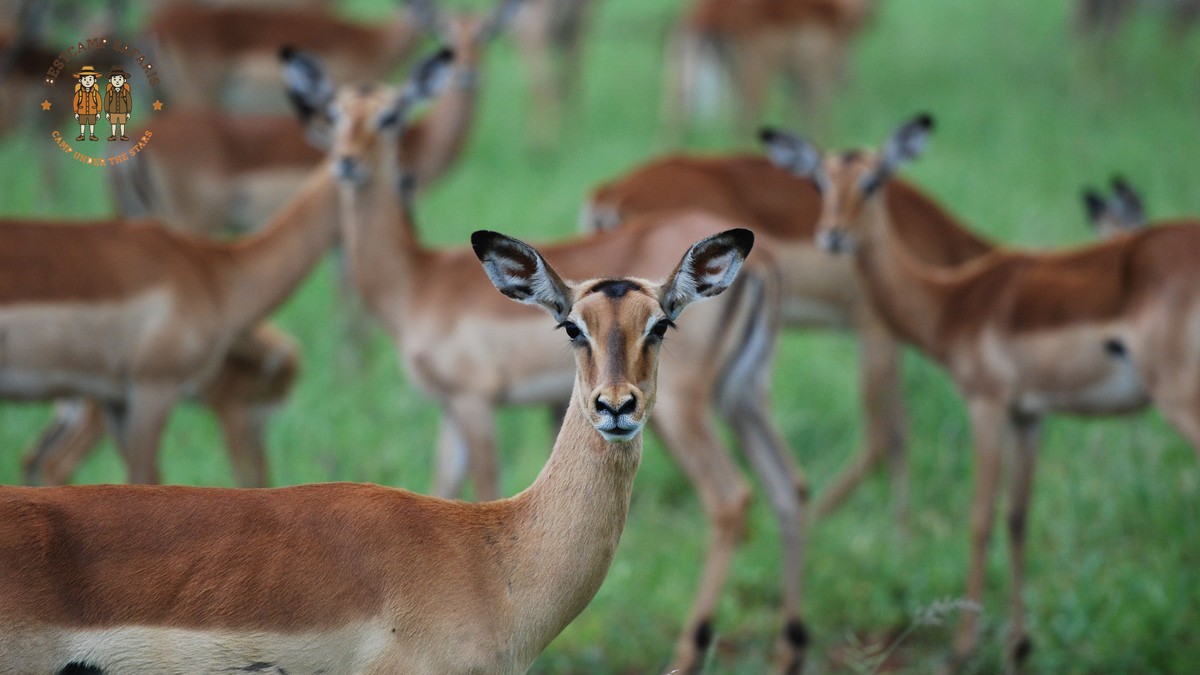
The first time I flew into a bush airstrip in Kenya, the pilot dipped the wing to scatter a herd of impala off the runway before landing. Nobody on the plane blinked. That’s just how it works out here. If you’re planning your first safari and trying to figure out how you’ll actually get from Nairobi to camp, domestic flights bush airstrips Kenya logistics are the part of the trip that causes the most confusion. Here’s what really happens, with real airlines, real airstrips, and real numbers.
Wilson Airport vs JKIA: Which One Do You Need
Almost every bush flight in Kenya leaves from Wilson Airport, not Jomo Kenyatta International Airport (JKIA). They are two different airports, about 8 km apart, and the drive between them takes 30 to 45 minutes depending on Nairobi traffic, sometimes longer during rush hour.
You’ll land at JKIA on your international flight. Then you need a transfer, either arranged by your camp or booked separately, to reach Wilson for your onward flight the next morning or, if your connection allows, the same day. Most itineraries build in an overnight in Nairobi between the two, which also gives you a chance to rest after a long-haul flight before an early bush departure.
Scheduled Flights vs Private Charters
Scheduled flights run on fixed daily timetables, hop between several airstrips, and cost less per seat. A scheduled flight to the Mara might touch down at three or four airstrips before yours, so pack patience along with your duffel.
Private charters fly point to point, on your schedule, and cost significantly more. They make sense for groups, tight connections, or trips combining several camps in one day. For a solo traveler or couple on a first safari, scheduled flights are usually the better value.
Airlines Operating Domestic Bush Routes
Three carriers handle most of the traffic:
- Safarilink flies Cessna Caravans and Twin Otters to the Mara, Amboseli, Samburu, and Laikipia airstrips, with the widest network of any operator.
- AirKenya covers similar routes, including the Mara conservancies, Meru, and Lamu, and has been flying these bush routes for decades.
- Yellow Wings runs newer routes into the Mara and Laikipia with smaller, more flexible schedules.
Fly540 and a handful of smaller charter operators fill in gaps, especially for private groups or less common routings like Tsavo or the coast.
Domestic Flights Bush Airstrips Kenya: Which One Serves Your Camp
This is the part most guides skip. Knowing the airline doesn’t tell you where you’ll actually land. Here’s how named airstrips map to the areas camps sit in.
| Region | Airstrip | Nearby Camps/Conservancies | Flight Time from Wilson |
|---|---|---|---|
| Maasai Mara (central) | Keekorok | Keekorok area, southern reserve | 45 min |
| Maasai Mara (north) | Musiara | Musiara Marsh, Mara North Conservancy | 45 min |
| Maasai Mara (Serena side) | Serena | Mara Serena, Mara Triangle | 45-50 min |
| Maasai Mara (Ol Kiombo) | Ol Kiombo | central reserve camps | 45 min |
| Mara Naboisho Conservancy | Naboisho / Olare Orok | Naboisho Conservancy, Olare Motorogi | 50 min |
| Laikipia Plateau | Nanyuki or Loisaba | Loisaba, Lewa Wildlife Conservancy, Ol Pejeta | 30-35 min |
| Samburu | Samburu/Kalama | Samburu National Reserve, Kalama Conservancy | 55-60 min |
| Amboseli | Amboseli | camps near Amboseli National Park | 35-40 min |
Note that several Mara airstrips serve more than one conservancy, and camps often run their own transfer vehicle to meet you, sometimes a 20 to 40 minute drive from the strip itself. Always confirm which airstrip your camp actually uses before booking, since two camps with similar names can sit near completely different runways. If you want the fuller regional picture, our guide to Laikipia’s conservancy airstrips breaks down that network in more depth.
Luggage Rules: The 15kg Limit Is Not a Suggestion
Bush planes are small and every kilogram matters for fuel and balance. The standard limit is 15kg per person, including hand luggage, and it must be packed in a soft-sided duffel bag. Hard suitcases don’t fold into the cargo hold of a Caravan or Twin Otter, so most airlines will refuse them outright or charge extra to leave them behind in Nairobi storage.
If you’re over the limit, you’ll usually be asked to pay excess baggage on the spot, often around USD 2 to 3 per kilo, though this varies by airline and isn’t guaranteed to be available if the plane is full. Some camps will hold your overflow bag in Nairobi until your return flight. For the full breakdown of what fits in 15kg and how to pack for it, see our safari luggage weight limit guide before you fly.
What You’ll Actually Fly In
Most scheduled routes use a Cessna Grand Caravan, seating around 12 to 14 passengers, or a de Havilland Twin Otter, similar capacity. Some routes to Diani or Lamu use larger Dash 8 aircraft with 30-plus seats. None of these are pressurized cabins built for altitude comfort, so flights stay low, which means you’ll often see wildlife from the window on the way in.
Cost Comparison: Flying vs Driving
This is where the real trade-off lives, and it’s rarely a simple yes or no. Here’s an honest, indicative comparison for common BestCamp Safaris routes.
| Route | Flight Time | One-Way Flight Cost (indicative) | Drive Time | Drive Distance |
|---|---|---|---|---|
| Nairobi to Maasai Mara | 45 min | USD 250-300 | 5-6 hours | roughly 270 km |
| Nairobi to Laikipia (Nanyuki) | 30-35 min | USD 180-220 | 3-3.5 hours | roughly 200 km, mostly paved |
| Nairobi to Samburu | 55-60 min | USD 280-330 | 6-7 hours | roughly 325 km |
| Nairobi to Amboseli | 35-40 min | USD 200-250 | 4-4.5 hours | roughly 240 km |
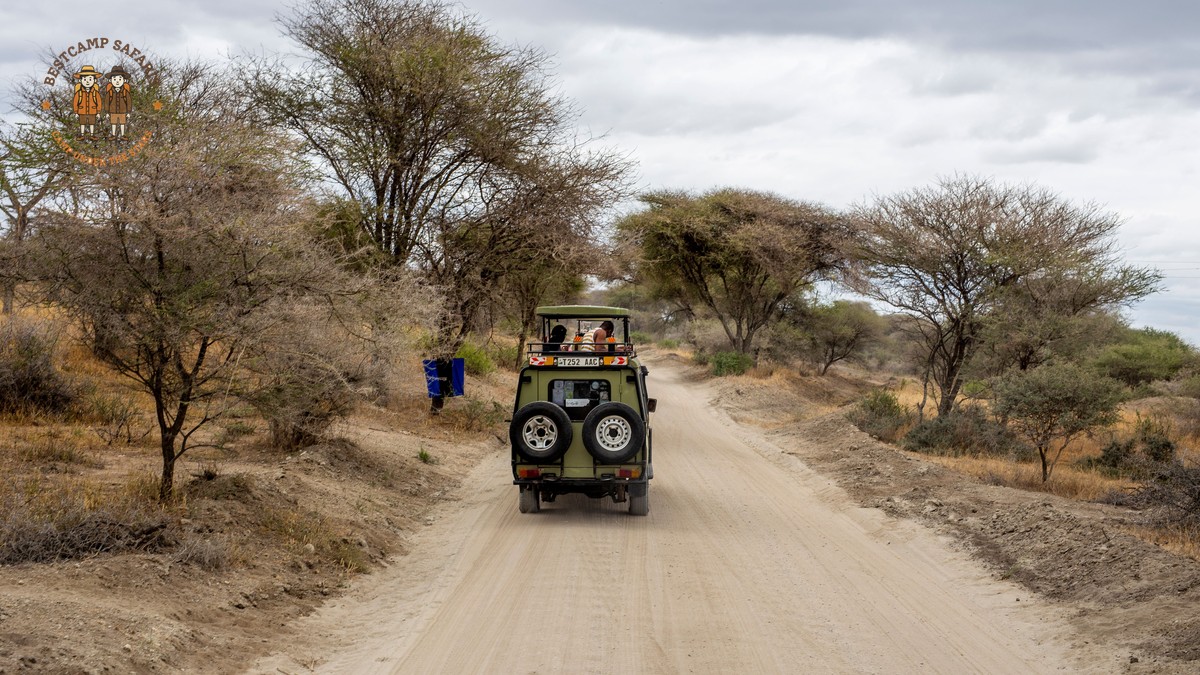
Flying to the Mara saves you roughly five hours each way, which matters if you only have a week. Driving to Laikipia, on the other hand, is on a decent paved road for most of the way, and some travelers genuinely enjoy the ground time and roadside stops. It comes down to how many days you have and how you’d rather spend them. We dig into this trade-off route by route in whether flying or driving gets you more game viewing.
When to Book
Book domestic flights as soon as your camp dates are confirmed, ideally three to six months out for July through October and the December holidays. Seats on early morning flights to the Mara sell out first, since everyone wants to land in time for an afternoon game drive. Last-minute bookings inside two weeks are possible but often mean a later departure and a longer transfer once you land.
Safety, Weather, and the Backup Plan
Bush flying in Kenya is heavily regulated, and the main scheduled carriers have strong operating records. That said, weather does occasionally cause delays, particularly during the March to May long rains, when a grass airstrip can turn soft enough to push a landing back an hour or two. Pilots reroute around storms rather than fly through them, which is exactly what you want.
Camps build buffer time into arrival day for this reason. If your flight is delayed, your camp will already know, because ground staff track the flight and radio ahead. I’ve walked into camp after dark by lamplight more than once because of a weather hold, and it’s never once felt unsafe, just a slower start to the first evening.
The BestCamp Safaris Difference
We don’t just book you a flight number and hope it works out. We match your camp to its actual airstrip, confirm the transfer vehicle will be waiting, and build a Nairobi buffer night into every itinerary that needs one. If a flight gets delayed by weather, our ground team already knows and adjusts your first game drive rather than leaving you to figure it out at the strip. That’s the difference between a logistics chain that just happens to include you, and a trip that’s actually planned around your dates, your camps, and your bags.
Frequently Asked Questions
How much do domestic flights cost in Kenya? Expect roughly USD 180 to 330 one way, depending on the route and airline, with the Mara and Samburu at the higher end.
What’s the luggage weight limit for bush flights? 15kg per person in a soft-sided duffel, including hand luggage. Hard suitcases generally aren’t accepted.
Is Wilson Airport or JKIA better for domestic flights? Wilson Airport handles nearly all bush flights. JKIA is for international arrivals only, so plan a transfer between the two.
Do I need my passport for a domestic flight? Yes. Airlines check ID against manifests, and your passport is the standard document used.
Is it cheaper to fly or drive to camp? Driving is usually cheaper in cash terms but costs you hours. Flying costs more but buys back a full day of your trip.
Are bush flights safe? Yes, the main scheduled carriers are well regulated. Weather delays happen but pilots reroute rather than risk a flight.
Ready to figure out which airstrip fits your camps and dates? Get in touch with BestCamp Safaris and we’ll build the routing for you, flight numbers and all.


